
Vocabulary hides the idea
Connect a scientific word to an observation, a model or a clear example before using it in an explanation.
One-to-one online support
Ask a question. Follow the evidence.
Support with measurements & patterns, evidence-based conclusions and the thinking behind the work. Lessons start with your child’s current science learning and provincial curriculum.
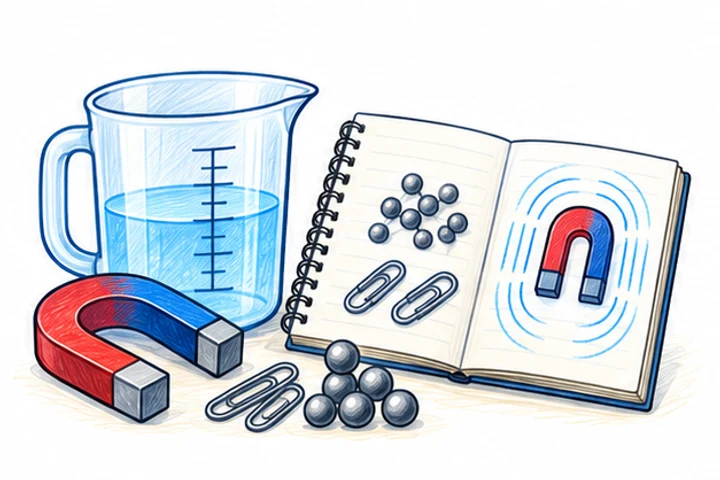 View the Grade 5 science syllabus
These are example tutoring areas. Your province and current classwork guide what comes next.
Connect an observation or measurement to a scientific idea.

Explain what the evidence supports and where the explanation has limits.
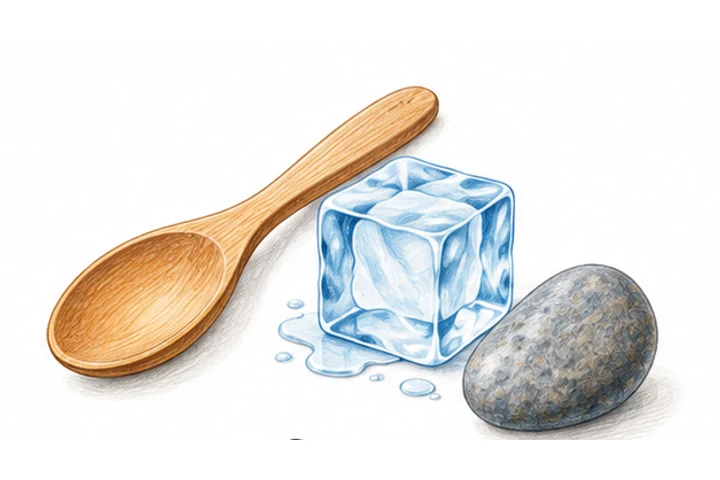
Use a clear method, appropriate units and a record of what changed.
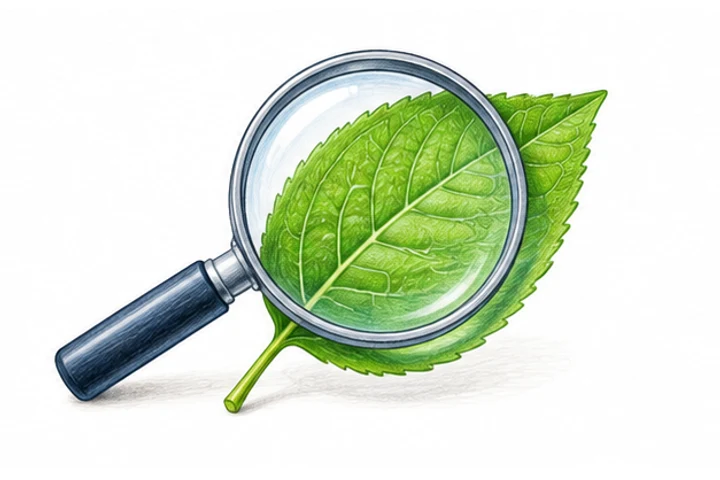
Communicate a conclusion with evidence rather than a result alone.
Topics, skills and learning goals
See what each unit covers and what the learner will practise explaining, creating or solving.
This is a structured tutoring syllabus overview, using British Columbia’s published progression as a reference. Canada has provincial and territorial curricula: your school’s outline determines the required topics, depth and teaching order.
Start with the learner’s current understanding. A school may introduce, revisit or assess these ideas at a different grade or in a different sequence.
Find your province and courseLearning goalExplain how two systems help the body function.
Learning goalExplain a result with a suitable particle idea.
Learning goalExplain how a device changes an applied force.
Learning goalExplain a connection between materials and environmental choices.
Learning goalSeparate an observation from an explanation.
Try it together
A plant measures 8 cm, 10 cm and 13 cm on three weekly observation days. What can you conclude?
The recorded height increased in both intervals, by 2 cm then 3 cm. Three observations do not show that it will keep increasing by the same amounts.
An original learning example. Match the topic and level to the current school course.
Observe, sort and investigate. Primary science. This is a topic sample with answers, rather than a complete Grade 5 course.
Open the practice worksheetWhen learning feels stuck
A useful next step starts with the thinking behind an answer.
Connect a scientific word to an observation, a model or a clear example before using it in an explanation.
Use evidence-based conclusions to connect the method, the evidence and the conclusion.
Identify what changed, what was measured and what other differences could explain the result.
Examples to discuss with a tutor, not a diagnostic checklist.
Local curriculum context
This national guide is a starting point. Your province, school and current classroom work guide the details.

Bring a recent task and the method used in class so support connects to the schoolwork.
Explore the Ontario curriculum guideOfficial curriculum resourcesLocal grade names and pathways may differ. Check your school’s programme.
How it works
From your first enquiry to a learning routine that fits.

Tell us the province, grade, subject and what your child would like help with. A course code or recent assignment helps us understand the starting point.

We use those details to look for a tutor suited to the subject and school pathway. Share any learning or communication preferences with our team.

Meet your tutor online at an agreed time. Ask questions, try a topic and see whether the approach feels right before continuing.

Plan focused lessons and practice around schoolwork. Use progress notes to see what was covered and what to work on next.
No obligation to continue.

Personal support, every lesson
Private online tutoring that starts with what your child needs to understand.
Province, grade and subject guide the tutor match. Bring their schoolwork so lessons can focus on the topics that matter now.
Work through difficult steps, revisit foundations and practise at a pace that works for your child.
Ask about optional lesson recordings. Availability and consent are discussed before recording.
Agree on a time in your family’s time zone
Know what was covered and what comes next
Meet your tutor before deciding to continue
Assessments & exam prep
Find a starting point for school assessments, senior courses and university application goals.

The relevant assessment depends on the province, grade, subject and school programme. These links describe different pathways, not a list of exams every student takes.
Check the pathway that applies to your school.
OntarioEQAOOntario literacyOSSLTBritish ColumbiaGraduation assessmentsAlbertaDiploma examsTell us the exact exam, level and target date.
US applicationsSAT preparationAP subjectsAdvanced courseworkIB programmesCourse supportMore examsExplore test preparationShare your province, grade and school details. We’ll help you find the right starting point.
Parent questions
Share your province, current topic and a recent class task. The tutor can connect the school’s approach with the ideas behind it. The topics on this page are examples of support, not a single curriculum used across Canada.
We can work through observations, models, calculations and explanations as appropriate to the topic. In senior years, share whether the course is biology, chemistry, physics or another pathway.
Bring a recent question or marked example, any teacher feedback and one thing you would like to understand better. Share upcoming deadlines and the exact course name where applicable.
Tell us your time zone, preferred days, grade and course. We will share available tutor options, lesson duration and fees in CAD before you decide on a plan.
Explore the grade overview or continue with a related subject.

See the wider learning stage and provincial context.
Explore Grade 5Look ahead to the next national grade guide.
Explore Grade 6 science
Connect support in another subject to the current schoolwork.
Explore Grade 5 MathYour next step
Tell us the grade, subject and what feels difficult. We’ll discuss suitable tutors, lesson times and fees.
Go to the free-demo form

