Space to ask. Time to understand.
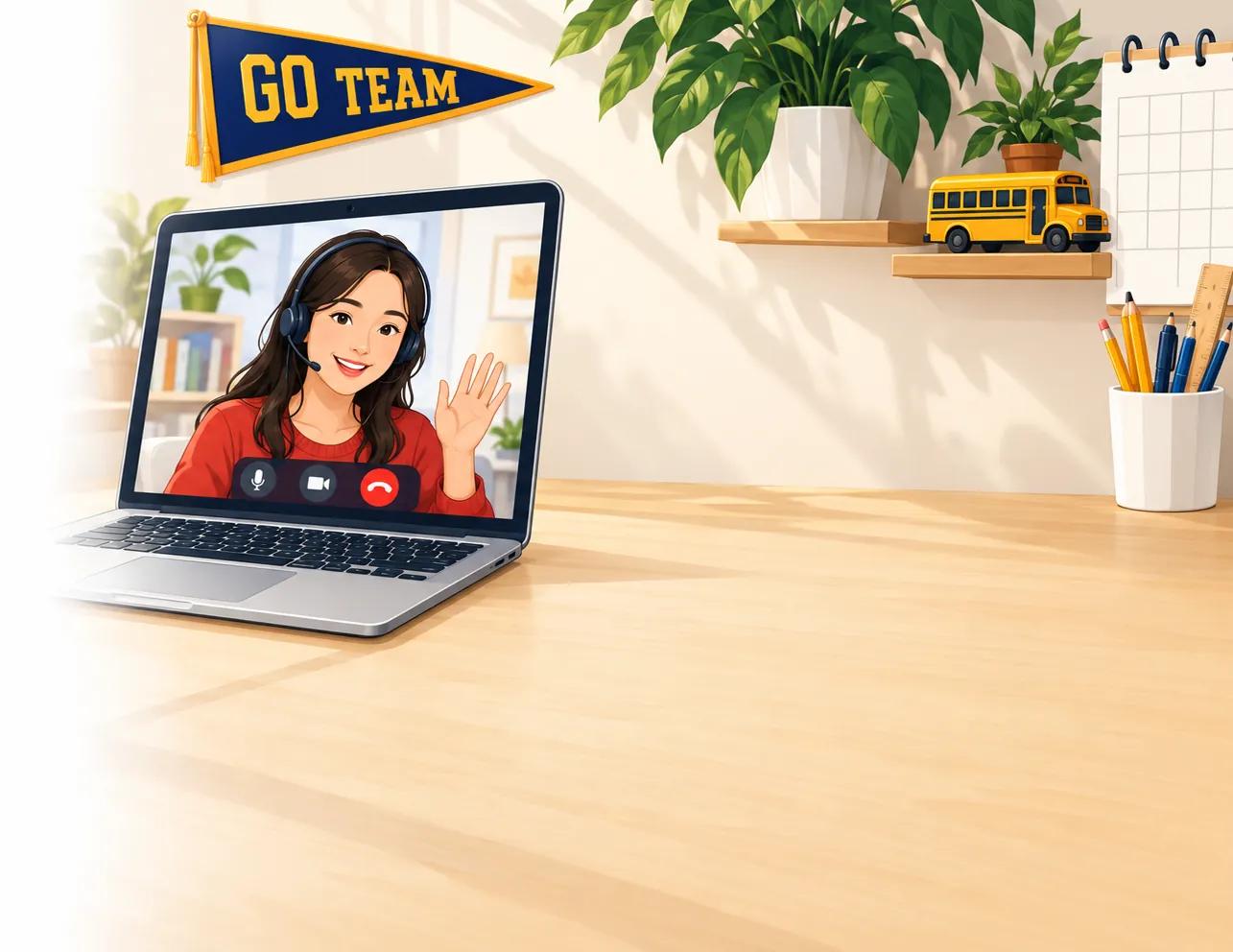
Work through a difficult idea with a teacher who can adapt the explanation to your questions.
US school computer science · Noble Educators
One-to-one online coding lessons for students in grades 3 to 8. Younger students start with Scratch and block coding, and from about grade 6 they move on to Python basics. Each lesson follows your child’s pace and builds toward AP Computer Science Principles in high school.
Free demo enquiry
More than a lesson
Your questions shape the lesson. Your learning continues afterwards.
Work through a difficult idea with a teacher who can adapt the explanation to your questions.
Connect your coding and computer science lessons with focused practice and review the steps behind each answer.
Revisit an explanation between sessions and bring your follow-up questions to the next lesson.
Keep your lessons and available learning resources together in one place.
Agree a schedule that fits your school week and time zone.
Know what comes next
Students build short stories, animations and simple games by snapping blocks together. Along the way they learn sequences, loops, events and conditions, and they test each change to see what it does.
Students move from blocks to typed code in Python: variables, input and output, conditions, loops and simple functions. Each lesson includes short programs to read, trace, fix and extend.
In high school, AP Computer Science Principles builds on these habits with data, the internet and a program each student designs. Our computer science page covers AP Computer Science Principles and AP Computer Science A.
How It Works
Share the grade, subject, and what your school is covering this term. Two minutes, no card.
Meet a tutor in a free demo and discuss your learning goals and preferred lesson times.
Weekly sessions, recorded lessons, and a progress report you can take to parent conferences.
Understand it. Try it. Review it.
Free PDF with answers
Topics: Variables and conditions · Loops · Testing and debugging
Free PDF with answers · coming soon
coming soonTell me when it is readyPreview questions and answers Original Noble Educators practice. Not an official exam paper or a complete course syllabus.
Most children can start around grade 3, once they are comfortable reading short instructions. Younger students begin with block coding, so they can focus on the logic before typing any code.
Block coding such as Scratch in grades 3 to 5, then Python from about grade 6. If your child’s school class uses a different language, the tutor follows the class.
Yes. The tutor can set a small project or a few short programs to practise between lessons, then reviews them with your child at the start of the next lesson.
Lessons can follow your child’s school computer science class and build the habits it asks for: planning a program, testing it and fixing errors. In high school this leads to AP Computer Science Principles and AP Computer Science A, which our computer science page covers.
Your next step with Noble Educators
Tell us what you are studying and where you need help. Bring a worksheet attempt or a question from class to your free demo.